Real-world analysis finds better outcomes and lower medical spending, but current prices limit the full economic value
WOONSOCKET, R.I. (Nov. 15, 2026) — CVS Health today released new research grounded in real-world data that puts numbers behind a central question facing employers and health plans as GLP-1 use grows: Do the medicines save enough elsewhere in the health care system to offset their cost?
The answer, at current prices, is not yet.
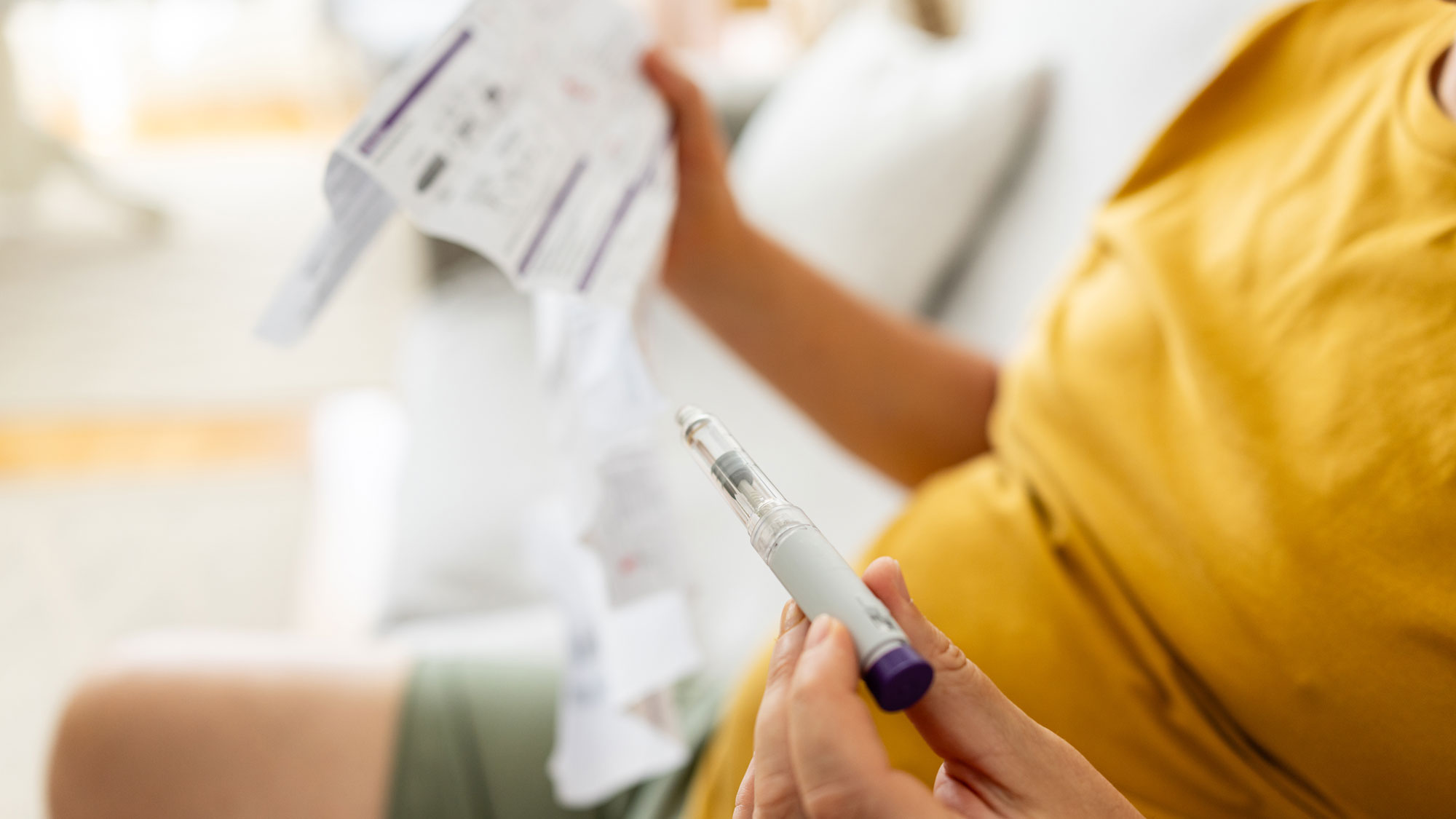
Using anonymized Aetna claims data from commercial fully insured members, CVS Health researchers found GLP-1 use was associated with better clinical outcomes, lower hospital use and lower medical spending compared with matched non-users. At current prices, those medical savings did not fully offset increased pharmacy spending.
“GLP-1s are remarkably effective medicines, and the health benefits are real. The challenge is making those benefits affordable at scale,” said Amy Compton-Phillips, M.D. “That means getting treatment to the people most likely to benefit, helping them stay on therapy and bringing the price to a level that supports broader access.”
The study examined commercial fully insured Aetna members who used GLP-1s, with index years from 2023 through 2025 and up to three years of follow-up. Researchers matched GLP-1 users with similar non-users based on factors including age, existing health conditions, prior health care use and medical and pharmacy spending.
Modeling from this study suggests that, across the study population, a net price of approximately $350 per month over three years would bring pharmacy spending and observed medical savings into balance. The break-even point varies based on factors including patients’ underlying clinical risk, how long they remain on treatment and how consistently they take their medication.
Researchers also examined whether staying on treatment mattered, comparing all people who started a GLP-1 with those whose prescriptions covered at least 80% of days during follow-up, a standard measure of medication adherence.
The findings point to three conditions for getting more value from GLP-1s:
- Treat the right patients, prioritizing people most likely to benefit based on clinical evidence and individual need.
- Help people stay on therapy long enough to realize the health benefits.
- Lower the price so that improved health outcomes can translate into more sustainable access and overall costs.
The affordability question is becoming more urgent as the clinical reach of GLP-1 therapies expands. Originally developed for type 2 diabetes, the medicines now have approved uses across obesity and cardiovascular, liver and kidney disease. The white paper notes that more than 137 million U.S. adults are medically eligible for semaglutide across indications, with many qualifying under more than one.
The analysis does not suggest that financial break-even should be the sole measure of a medicine’s value. It does show why price matters for employers and health plans trying to expand access to a highly effective class of drugs without adding unsustainable cost to the health care system.
Dr. Amy Compton-Phillips will be speaking on this topic later this afternoon at the HLTH industry conference in Las Vegas. The full CVS Health white paper, “GLP-1s: Good Drugs, High Prices,” is available at https://www.cvshealth.com/content/dam/enterprise/cvs-enterprise/pdfs/2026/GLP1_Whitepaper.pdf
###
About CVS Health
CVS Health is a leading health solutions company simplifying health care one person, one family and one community at a time. As of September 30, 2026, the Company had approximately 9,000 retail pharmacy locations, more than 1,000 walk-in and primary care medical clinics and a leading pharmacy benefits manager with approximately 87 million plan members. The Company also serves an estimated 37 million people through a broad range of health insurance products and related services. The Company’s integrated model uses personalized, technology driven services to connect people to simply better health, increasing access to quality care, delivering better outcomes, and lowering overall costs.
Media contact
Ethan Slavin
860-273-6095
Ethan.Slavin@CVSHealth.com