

During extreme weather events, CVS Health is leveraging technology to safeguard the people we serve.
With extreme weather events increasing in frequency and severity, CVS Health is proactively innovating and evolving to deepen our commitment to the people and communities we serve.
From drone deliveries and technology enhancements to community grants and proactive care management, we not only respond to extreme weather risks but also build resilience for the future.
This protects access to care, supports recovery and strengthens the communities we call home.
Taking care of people in our communities
At the heart of our mission is a commitment to the health of people across the country, especially those most vulnerable to extreme weather events.
In response to the Southern California wildfires in early 2025, we identified and supported at-risk populations.
- Our Aetna clinical response teams engaged Medicare and commercial members to ensure their safety and access to emergency services.
- Our pharmacy services delivery drivers found alternative routes around the flames to make critical medication deliveries to vulnerable members.
Similarly, during heatwaves in 2025, Aetna care managers contacted thousands of members to direct them to cooling centers, hydration resources and if needed, emergency services.
- We use Geographic Information System (GIS) technology to pinpoint Medicare Advantage members who may be disproportionately affected by heatwaves, wildfires or poor air quality.
We ensure members have access to their medications during extreme weather events: CVS Caremark facilitates emergency refills and CVS Specialty leverages advanced cold-chain shipping methods and GIS technology to support patients whose medications are temperature-sensitive.
Our digital tools also help customers and members prepare for extreme weather. In 2025, the CVS Health app launched push notifications that alert users about upcoming weather risks, such as snowstorms or poor air quality. The notifications included curated product recommendations to help them prepare.
Keeping our services operational
CVS Health has a robust enterprise resiliency framework that prevents extreme weather events from disrupting access to health care services or our business operations. We are focused on ensuring business continuity by maintaining critical services and minimizing downtime.
Once it’s safe to do so after an extreme weather event, we work to quickly reopen CVS Pharmacy stores so patients can access their prescriptions and essential products. If a store remains closed, pharmacy phone lines are redirected to nearby locations and patients are notified of changes to vaccination appointments via email or text.
- During Hurricane Beryl, CVS Health deployed over 40 generators and refrigerated trucks to maintain operations and safeguard medications across affected regions. GIS technology enabled rapid assessments of store statuses, which helped us prioritize recovery efforts and redirect resources efficiently.
Innovative distribution methods, such as drone delivery, are revolutionizing our ability to serve patients during disasters. We launched our groundbreaking drone delivery initiative in Michigan to test how it uses a faster, simpler and more environmentally sustainable delivery method to transport specialty medications to facilities closer to a patient’s home. After Hurricanes Francine, Helene and Milton, we used our drones to quickly check on our stores and develop a recovery plan. Because of this, we were able to support our pharmacy patients and quickly get them their medications. Through these efforts, we ensure that patients, providers and communities receive uninterrupted support during critical times, while also maintaining business continuity.
Creating resilient communities
We collaborate with local organizations, invest in community grants and support disaster recovery efforts to help communities rebuild after adverse events.
In response to the 2025 California wildfires, the company made donations to organizations such as Habitat for Humanity, along with supporting first responders and providing food, shelter and mental health services to people who had been affected by the fires. Additionally, the company delivered essential products to impacted areas and offered free health screenings through our Project Health program.
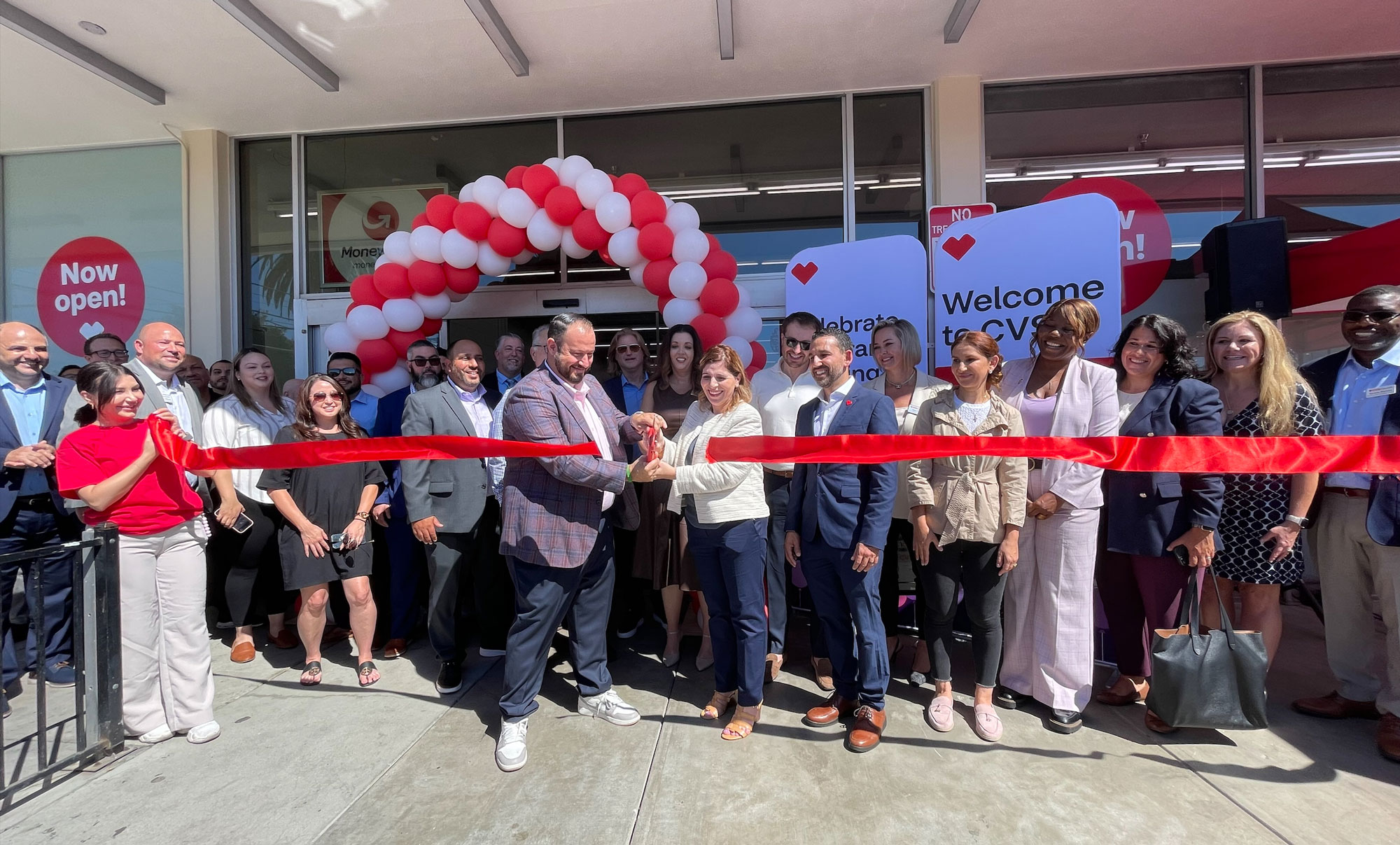
We understand the important role that our pharmacies play in the communities we serve. Our 2025 reopening of the CVS Pharmacy store in Pacific Palisades followed the California wildfires earlier that year, and we offered an expanded pharmacy, improved in-store delivery pickup area and an in-store refresh.
It's crucial to help people focus on their long-term health as well: We collaborated with the American Lung Association to protect lung health against poor air quality. Through a $3.5 million investment over four years, CVS Health is funding initiatives to expand educational resources, increase access to care for individuals with lung disease and raise awareness about air pollution hotspots. These efforts are particularly critical as extreme weather events negatively affect air quality and in turn, vulnerable populations.
Innovating for a more sustainable future
Our environmental health impact initiative takes a data-driven approach to understanding and mitigating health-related climate risks. By collecting and analyzing localized weather, air quality and environmental data, the company can predict extreme weather events days in advance and identify individuals most at risk. In turn, we can develop proactive interventions, like targeted outreach and emergency preparedness measures, while guiding long-term strategies to adapt to climate challenges.
We recognize the connection between human health and environmental health. We are committed to reducing our environmental impacts while enhancing our ability to respond to climate-related risks.
We also prioritize initiatives to protect the planet’s resources, including:
- Sustainable packaging: A significant volume of medications shipped through our mail and specialty pharmacies require temperature-controlled shipping each year, CVS Caremark has optimized its cold-chain logistics to reduce travel distances and eliminate excess packaging materials. These advancements ensure the safe delivery of medications while minimizing environmental impact.
- Drone delivery: By reducing reliance on traditional transportation methods, drones lower emissions and enhance the company’s ability to serve patients in disaster-stricken areas. As this technology scales, it will further reduce waste and improve access to medication.