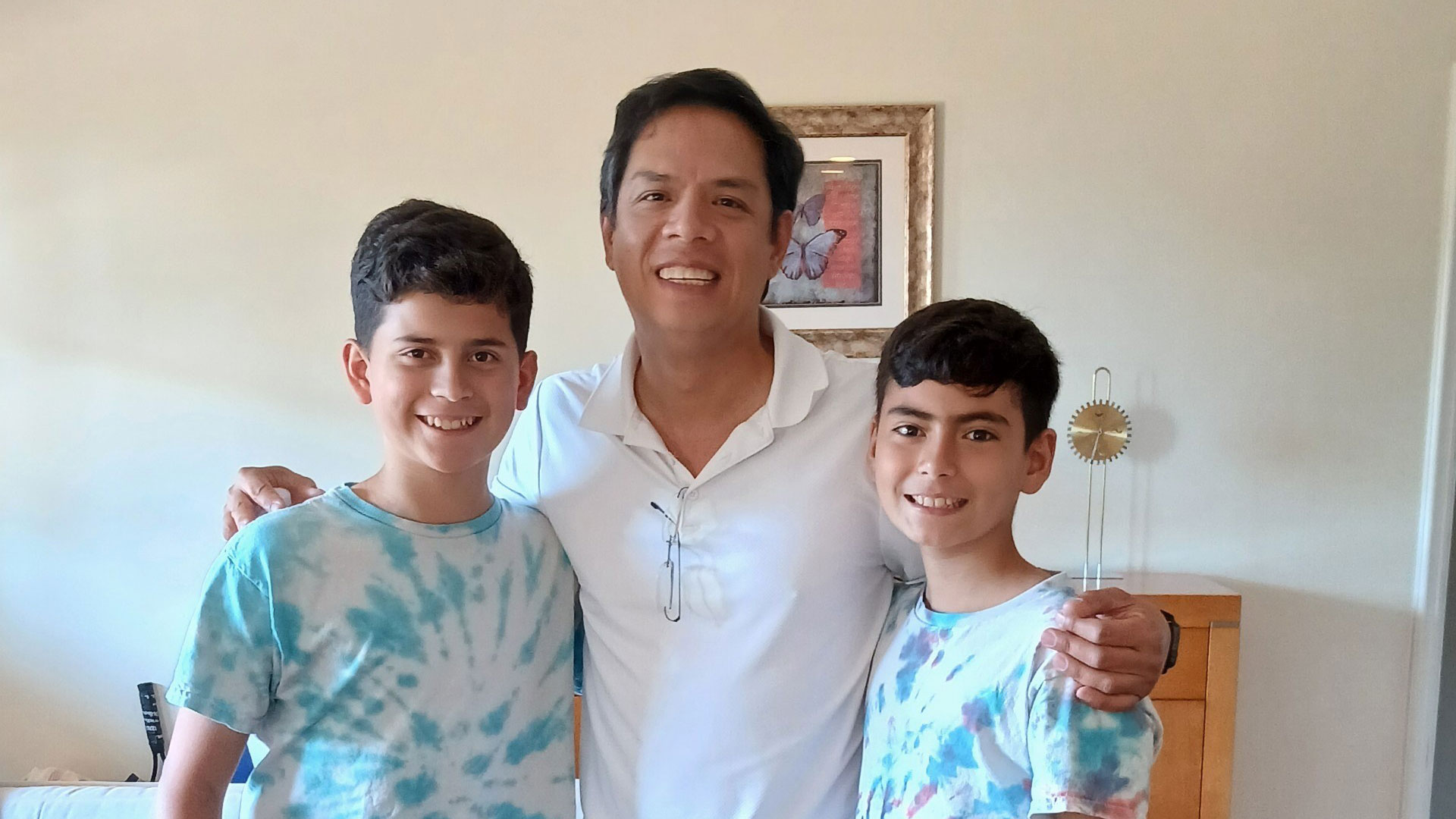
Nick Stacken loves sports. In fact, he’s been a Special Olympian in his state for two decades. Now his sights are set on participating at the national level.
For his mother and caregiver, Wendy Stacken, that future once seemed impossible.
"Nick was born with multiple health issues," Wendy recalls. "He kept getting sick. We'd take him to the hospital and we’d be back again hours later. It was terrifying."
At 13 months old, he was diagnosed with primary immunodeficiency (PI), a group of rare disorders that impair the immune system's ability to fight infection.
- According to the Centers for Disease Control, people living with PI often face an increased risk of autoimmune diseases, certain cancers and other serious health complications.
The right therapy, the right support
Nick’s access to appropriate therapies and the support of trusting relationships, including with his in-home CVS Specialty/Coram nurses, have simplified his health care and supported his quality of life.
Since his diagnosis, a key part of Nick's care has been Immunoglobulin (Ig) Therapy, administered by his CVS Specialty/Coram nurses, which provides antibodies that help protect against infections.
- The therapy is important: Ig therapy has been shown to reduce hospitalizations by more than 50%, according to the Immune Deficiency Foundation.
Yet for the Stacken family, Ig Therapy has only been one part of the equation. Wendy notes that the CVS Specialty/Coram nurses go beyond administering therapy. They help the family navigate treatment, monitor changes and stay connected with the broader care team.
"Jackee, is like family," says Wendy. "She's been there to help us understand the therapy, answer questions and spot when something doesn't seem right.”
Wendy also points to the reassurance of having 24/7 access to CVS Specialty pharmacist support when questions arise. "There have been many times I've had to call at three o'clock in the morning," she says. "And they answer."
Supporting patients beyond the prescription
"For patients like Nick, getting on the right therapy can be life-changing - and in many cases, lifesaving. But it's often the trusted relationships around that therapy that help patients thrive," says Lucille Accetta, Chief Pharmacy Officer and Head of CVS Specialty, who notes stories like Nick’s illustrate the broader goal of specialty care. "When patients, caregivers and care teams build trusted relationships over time they gain more than access to treatment. They gain the confidence, continuity and peace of mind that helps make everyday milestones possible.”
Today, Nick is 31 and thriving. He continues to pursue new goals and opportunities, including his aspiration to compete in the Special Olympics at the national level — a possibility that once seemed out of reach for his family.
How CVS Specialty supports patients with Ig Therapy
For people living with primary immunodeficiency and other conditions treated with Immunoglobulin (Ig) Therapy, managing care can be complex.
CVS Specialty's IG Center of Excellence—one of more than 30 condition-specific Centers of Excellence—brings together pharmacists, nurses and CareTeams with specialized training and experience supporting patients on Ig therapy.
CVS Specialty/Coram support includes:
- Personalized education and support for patients and caregivers, helping them understand treatment, administration options and what to expect throughout therapy.
- End-to-end coordination of Ig Therapy, from onboarding and benefits verification to medication delivery, nursing support and ongoing patient education.
- Nursing support and training, including in-home infusion services and patient training for those who may be able to self-administer therapy at home when appropriate.
- 24/7 access to specialty pharmacists who can answer questions and provide clinical support when patients and caregivers need it.
- Digital and high-touch support options tailored to individual preferences, including refill management, delivery tracking and proactive outreach
At the heart of the model is a simple goal: helping patients and caregivers spend less time navigating the complexities of care and more time focusing on what matters most to them.