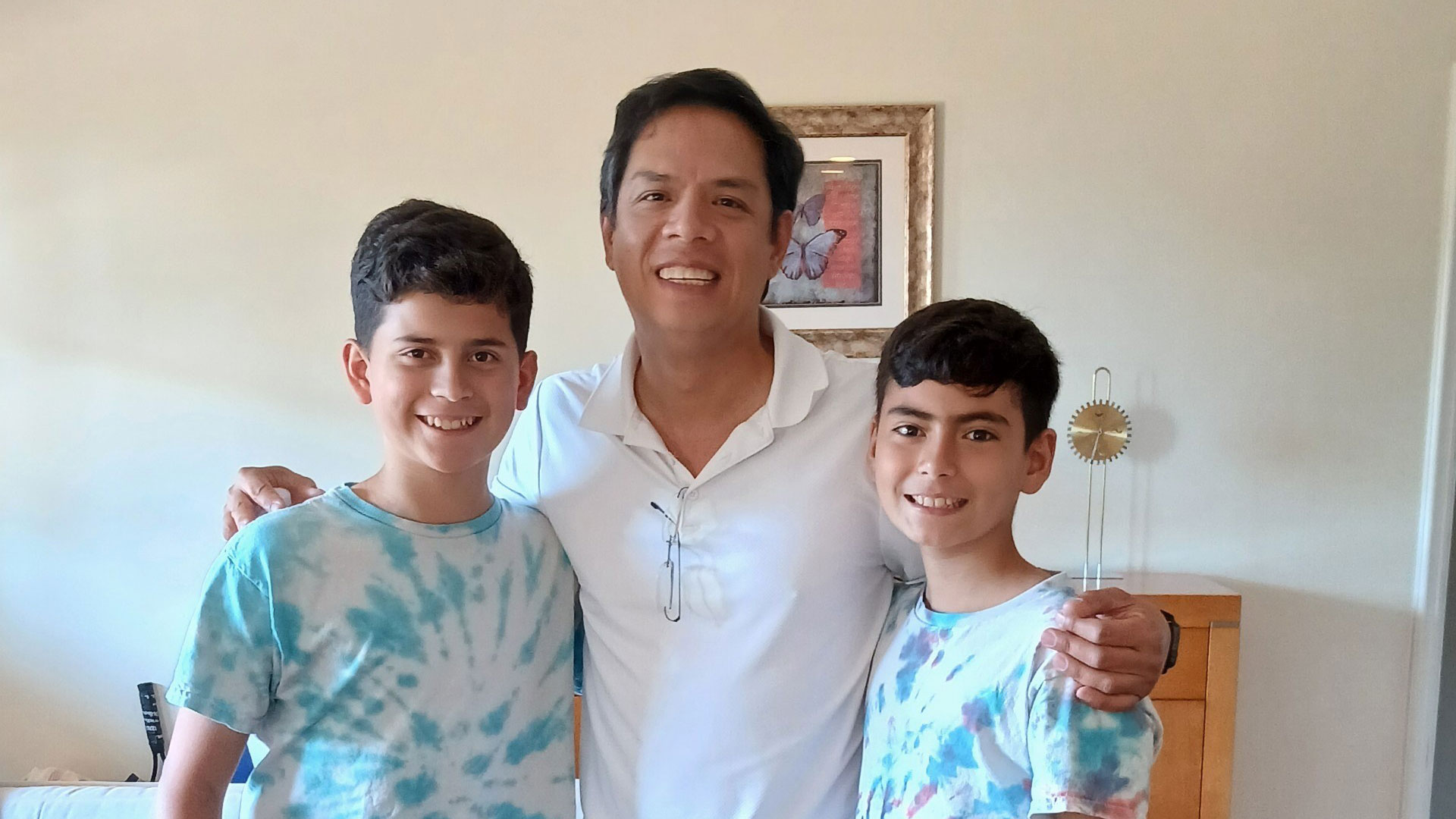
Diane Brighton, PAH Nurse Clinical Coordinator, CVS Specialty, spends much of her week on home visits with her patients.
That time inside her patients’ homes tells a story that vital signs and charts alone can’t quite capture—yet it’s one that can impact a patient’s ability to stay on therapy.
For example, patients may need help paying for essentials, like their electric bill or groceries—or for items that support their care in other ways, like purchasing a scale to weigh themselves, often necessary for monitoring chronic conditions.
Fortunately, CVS Specialty has a platform that enables Diane to connect patients with a trusted network of community organizations and resources that help address social and environmental needs.
Why whole-person care matters for specialty patients
For patients navigating chronic and complex conditions, whole-person, patient-centered care has a more comprehensive meaning beyond just access to specialty medications.
- A patient’s environment, access to food and shelter, and the realities of their support system—among other factors known as social determinants of health—can influence health outcomes by as much as 50% in some cases, according to a report by the U.S. Department of Health and Human Services.
By identifying these needs and acting on them by helping patients connect to appropriate resources, CVS Specialty helps reduce barriers that can make it harder to stay on therapy and can support improved long-term outcomes.
“It’s more than just providing a phone number—we’re helping connect patients to the right resources for their specific situation,” Diane says of the resources she’s able to connect with her patients.
Connecting patients to the right resources
CVS Specialty meets patients where they are to help in a more personalized, holistic way.
- Clinicians like Diane visit patients’ homes, often providing a view of possible real-world barriers to their health care that clinical records alone can't capture.
- Once a need is identified, CVS Specialty CareTeams use a resource connection platform to match patients with community organizations equipped to help—whether that's addressing food insecurity, housing instability, financial hardship or other challenges.
- Those connections help reduce barriers that can make it harder to stay on therapy — supporting better long-term outcomes for patients managing complex conditions.
By connecting patients in need with these community resources, CVS Specialty CareTeams can focus on what they do best: caring for our patients.