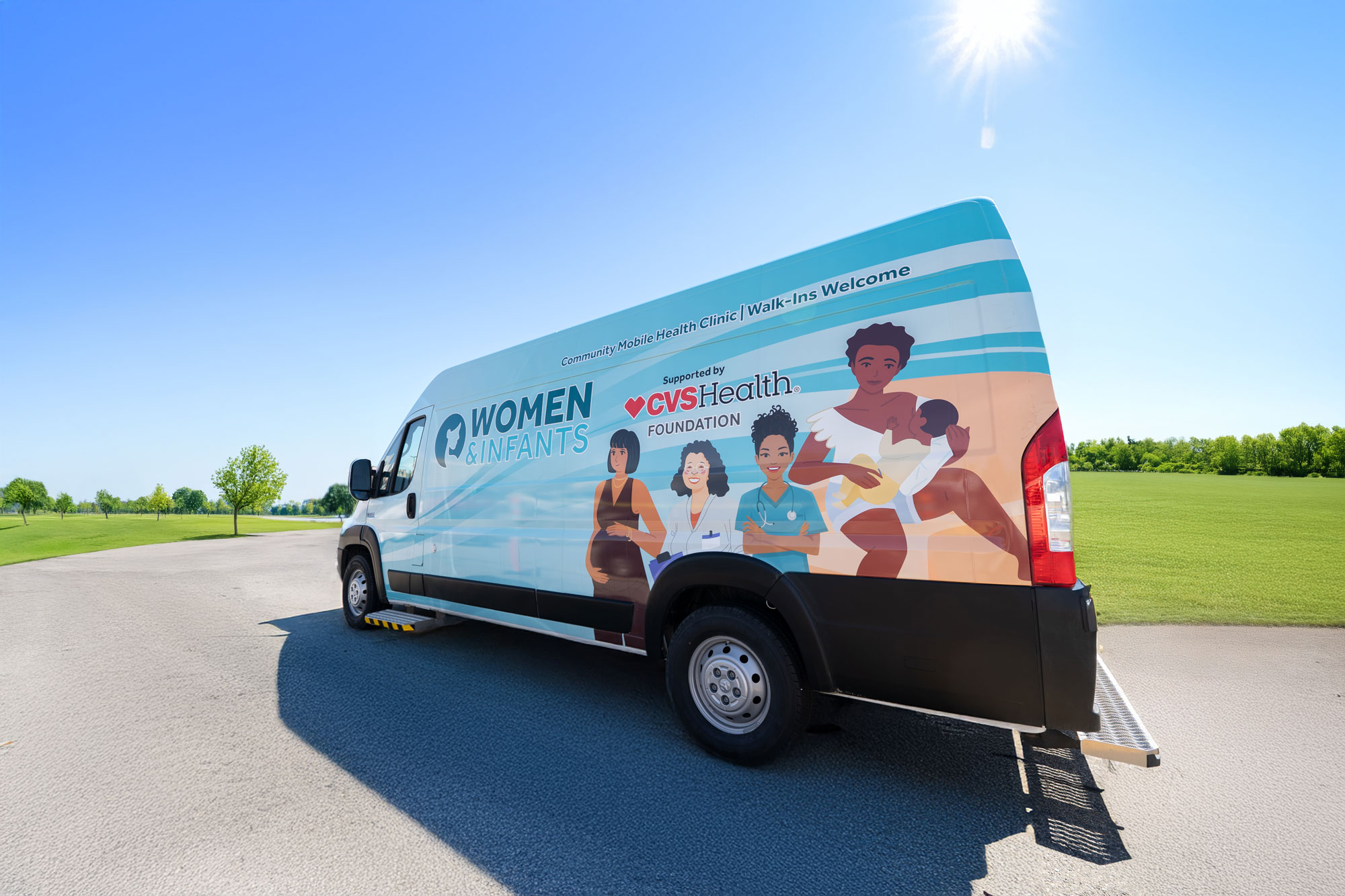
Women are the backbone of family health
Women play a central role in keeping families healthy, and when their own health – both physical and mental – is cared for, it creates time and space to care for others. In the U.S., women are responsible for roughly 80% of household health and wellness decisions—from choosing doctors and managing preventive care to coordinating treatment for children, partners, and aging parents.
That responsibility spans decades of life and multiple health transitions: reproductive health, pregnancy, postpartum recovery, menopause, and beyond. In many cases it create a mental toll that causes added stress, anxiety or depression, in addition to delaying their own routine care.
For these and other reasons, women experience higher rates of mental health conditions than men overall, with risk increasing during periods of hormonal and life changes—including pregnancy, postpartum, and menopause. About 1 in 5 women experience a mental health condition each year.
“Women are an incredible part of how families stay healthy and well. Despite their importance to the overall health care ecosystem, their own unique challenges in access, affordability, and timeliness of care are often overlooked,” said Dr. Joanne Armstrong, Vice President & Chief Medical Officer, Women’s Health at CVS Health.
Maternal mental health issues are common—and not to be ignored
Maternal mental health conditions such as postpartum depression, anxiety and PTSD are among the most common complications of pregnancy and the year following delivery. Postpartum depression alone affects about 1 in 5 women, and mental health conditions are a leading underlying cause of pregnancy-related deaths. Many of these maternal deaths are preventable with timely identification and care.
Despite more frequent interaction with the health care system during a typical pregnancy, there are still missed opportunities to screen pregnant and postpartum patients for depression and anxiety in clinical and non-clinical settings. National data shows about 1 in 10 women are not asked about these feelings during a postpartum visit.
“When mental health needs are overlooked during pregnancy and after birth, the consequences can ripple far beyond the mother,” Armstrong said. “Untreated anxiety or depression can affect bonding, breastfeeding, and a mother’s ability to care for herself and her baby.”
Why maternal mental health requires care that meet women where they are
Maternal mental health sits at the intersection of biology, caregiving, access, and engagement for all. If women are carrying responsibility for family health across every stage of life, the health care system must meet them there—with access, dignity, and support that doesn’t require navigating it alone.
Improving maternal mental health outcomes require an approach that integrates mental health into routine women’s health care—especially during high-risk transitions. This includes routine screening, expanded access points, clear referral pathways, and evidence-based clinician training.
Addressing mental health early isn’t optional,” Armstrong said. “It’s foundational to healthy outcomes for families.”