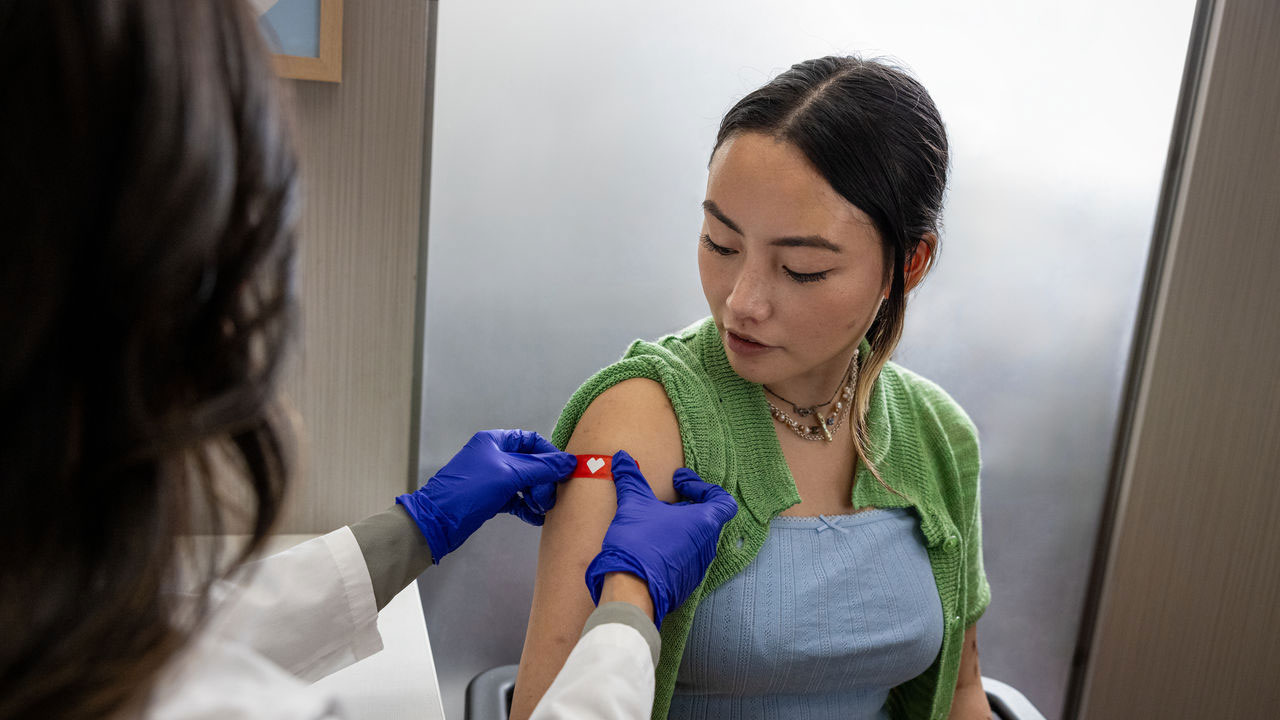
From managing chronic conditions to staying up to date on vaccinations, Americans are making more health decisions than ever before. In a complex health care system, many people have a trusted guide closer than they realize: their pharmacist.
Pharmacists are among the health care professionals people interact with most frequently. In fact, research shows Medicare patients visit pharmacies significantly more often than they see their primary care physicians, creating regular opportunities for education, support and intervention.
But frequency alone isn't what makes pharmacists valuable. It's trust.
People often turn to their pharmacist with questions that don't fit neatly into a doctor's appointment. They ask about new prescriptions, side effects, over-the-counter medications, preventive care, chronic condition management and how different treatments work together. These everyday conversations can help people feel more confident about their care and more likely to take action on recommendations from their health care team.
A trusted resource for medication questions
Today's health care journey is rarely simple.
A person managing diabetes may also be taking medication for high blood pressure and cholesterol. A parent may be balancing childhood vaccinations, seasonal illnesses and ongoing care needs. An older adult may be coordinating multiple prescriptions from different providers.
In these moments, pharmacists can help connect the dots.
As highly trained medication experts, pharmacists provide guidance that helps people better understand their medications, identify potential issues and stay on track with treatment plans. Their accessibility also makes it easier for patients to seek help when questions arise, rather than waiting weeks for another appointment.
This role has become increasingly important as health care shifts toward prevention, chronic disease management and greater patient engagement.
Supporting health beyond prescriptions
Many people think of pharmacists primarily as the professionals who dispense medications. Today, their role extends much further.
Pharmacists help patients stay current on recommended vaccinations, provide medication counseling, identify opportunities to improve adherence and support individuals managing long-term conditions. They also serve as an important connection point within the broader health care system, helping patients navigate care recommendations and understand next steps.
For many communities, the local pharmacy is one of the most accessible places to receive health guidance and support.
Research shows that 84% of U.S. adults view pharmacies as credible health care sources, reflecting the level of trust consumers place in their pharmacists and pharmacy teams. Morning Consult also ranked CVS Health as the most reputable brand in the health category in its 2025 Most Trusted Brands report (Consult, 2025). Together, these findings underscore the important role pharmacists and pharmacy teams can play as accessible, trusted sources of health guidance.
Why trust matters
Trust may seem intangible, but its impact is very real.
When people trust their pharmacist, they are more likely to ask questions, discuss concerns and engage in conversations about their health. Those interactions can lead to greater understanding, better medication use and more informed health decisions.
Trust also creates opportunities to reach people who might otherwise fall through the cracks, whether they need support managing a chronic condition, understanding a new diagnosis or staying up to date on preventive care.
As health care continues to evolve, the importance of these trusted relationships will only grow.
Recognizing pharmacists during American Pharmacists Month
American Pharmacists Month is an opportunity to recognize the pharmacists who support patients every day, often through small interactions that make a meaningful difference.
Whether helping someone understand a new medication, prepare for travel, manage a chronic condition or get recommended vaccinations, pharmacists play a vital role in helping people navigate their health with confidence.
In a health care system that can often feel overwhelming, trusted relationships matter. Pharmacists help make care more accessible, more understandable and more personal, one conversation at a time.