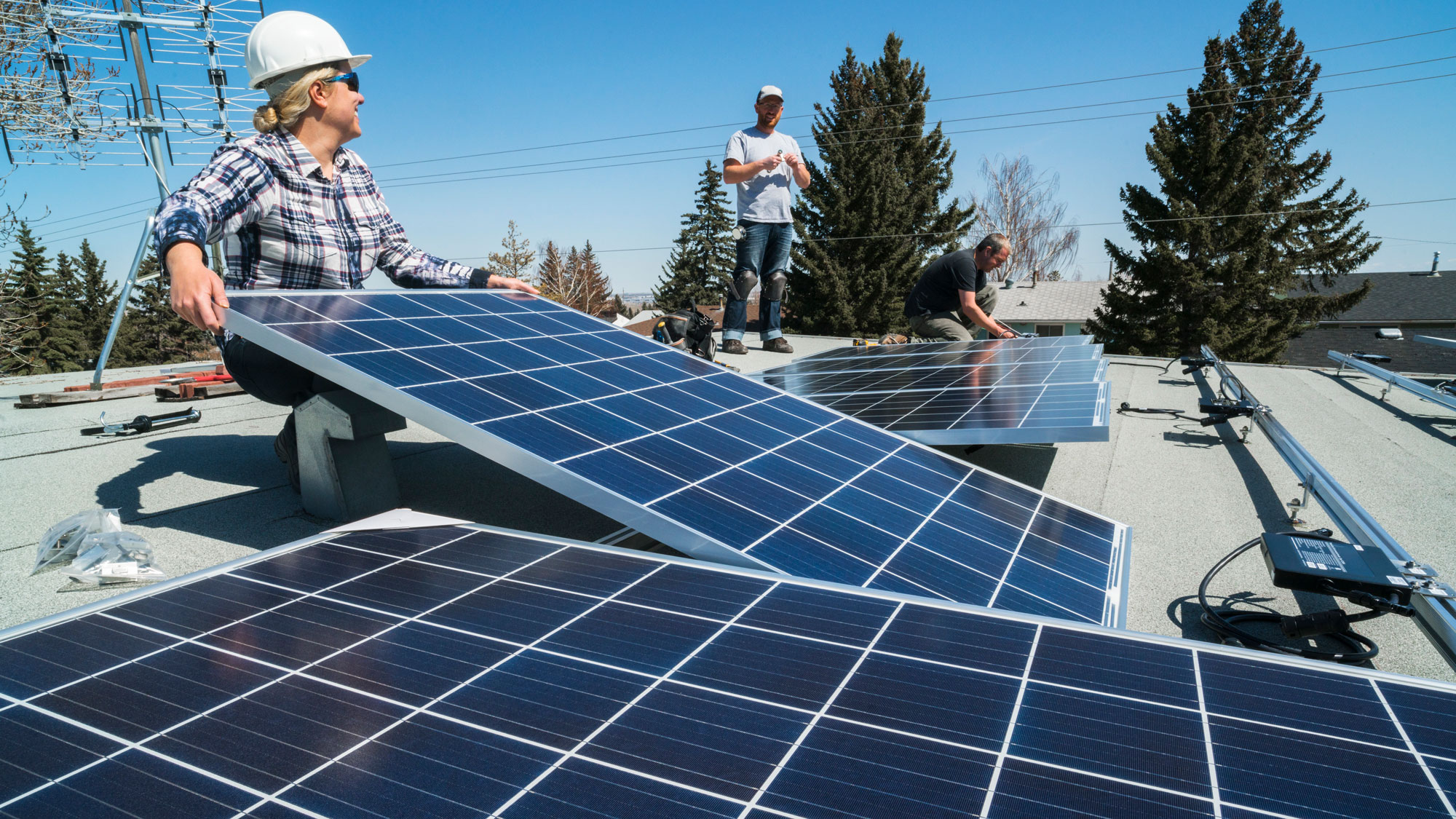
The demand for reliable energy continues to grow, and for CVS Health, dependable operations are essential to serving millions of patients and customers across the country. That's why we're expanding our use of renewable electricity and investing in energy solutions that help reduce emissions, strengthen business resilience and support uninterrupted care. These efforts are part of our goal to source 50% of our energy from renewable electricity by 2040 while building a healthier, more sustainable future for the communities we serve.
Through new and expanded power purchase agreements (PPAs), we’re increasing our use of clean electricity to support our operations. These efforts are part of our broader approach to sustainability, one that’s rooted in improving health outcomes over time.
“As a health solutions company, we recognize that the health of our communities is closely connected to the health of our environment,” said Jenny McColloch, Chief Sustainability Officer of CVS Health. “By investing in renewable energy, we're reducing emissions, strengthening the resilience of our operations and ensuring continuity of care for the patients and customers we serve in communities across the country.”
Why renewable energy agreements matter
The need for reliable, affordable energy is growing, especially as industries expand and power demand increases. Across sectors, organizations are turning to renewable energy sources to strengthen long-term energy stability and manage costs.
For CVS Health, renewable energy agreements help support the stores, pharmacies, clinics and facilities that patients and customers rely on every day. They also help strengthen the energy system and support a cleaner future for the communities we serve.
What’s happening
Since 2022, we’ve made seven large-scale investments in renewable energy. Most recently in Maryland and putting energy-saving solutions into practice across our operations to reduce energy use and improve efficiency.
So far, we’ve secured agreements to source more than 969,000 megawatt hours (MWh) of clean energy as these projects come online. These efforts are helping move us closer to our goal of sourcing 50% renewable electricity by 2040. In 2025, renewable electricity represented approximately 33% of our total electricity use.
How a renewable energy power purchase agreement works
A power purchase agreement is a long-term contract that supports the development of renewable energy projects, such as solar and wind farms, while allowing CVS Health to purchase renewable electricity without building or operating the projects ourselves.
Here’s how it works in practice:
- Renewable energy is generated offsite from projects across the U.S.
- That energy is delivered to the grid and helps increase the overall supply of clean electricity
- CVS Health receives the environmental benefits, which are credited against our electricity use
These agreements typically span multiple years, providing predictable access to clean energy sources while supporting the development of new renewable capacity.
What clean energy means for CVS Health’s carbon footprint
Our renewable energy investments are a key part of reducing our Scope 2 GHG emissions – the emissions associated with the electricity we use to operate our stores, clinics and facilities.
By increasing the amount of clean electricity in our energy mix, we’re making steady progress toward lowering our overall carbon footprint.
These efforts help us:
- Improve the efficiency of how we operate
- Support long-term energy reliability
- Contribute to a more sustainable energy system
All of which ultimately support the communities and patients we serve. They also help improve air quality by reducing reliance on fossil fuels, which can contribute to respiratory and cardiovascular health issues. At the same time, investing in a more resilient energy system helps us continue serving patients and communities during periods of increased demand and extreme weather.
The bottom line
Investing in renewable energy is one way we're helping build a healthier future. By reducing emissions, supporting cleaner air and strengthening the resilience of our operations, we're helping ensure we can continue caring for patients and serving communities today and in the years ahead.