Heart disease disproportionately impacts populations
Heart disease is the nation’s leading cause of death, but its impact is experienced unequally across populations. Heart health disparities, defined as preventable differences in cardiovascular outcomes among populations, contribute to a disproportionate burden of cardiovascular disease (CVD) and related risk factors in historically underserved communities.
- Heart disease is more prevalent among publicly insured populations with 28% of adults enrolled in Medicaid affected by CVD and 42% of Medicare beneficiaries having at least one heart condition.
- People living in rural communities have a 40% higher prevalence of heart disease than those living in urban areas.
- Heart health risk factors continue to rise among lower-socioeconomic status populations while declining among higher-income groups.
“Addressing variations in heart health requires population-specific solutions that address the distinct needs and challenges faced by people in the different communities we serve,” said Dr. Ayo Gathing, Deputy Chief Health Engagement and Access Officer, CVS Health
Improving heart health through access and engagement
Historically underserved communities lack access to healthcare resources such as primary care, specialists, preventive screenings, and pharmacies. This leads to delayed or inconsistent care, contributing to poorer cardiovascular outcomes. These communities also face barriers to accessing social determinants of health (SDOH) resources such as transportation, nutritious food, and opportunities for physical activity. Appropriately addressing SDOH is critical for preventing and managing heart disease.
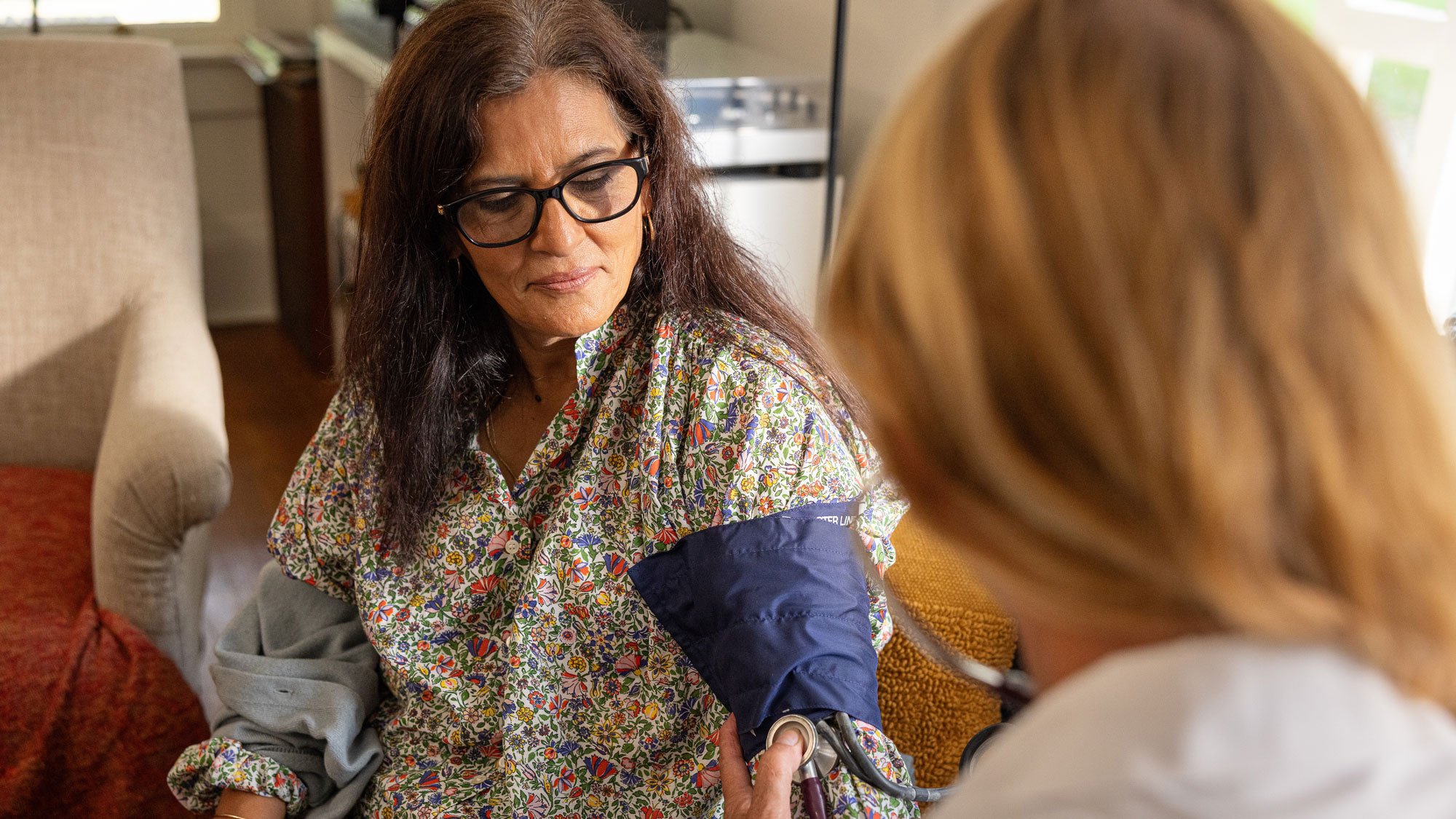
While expanding access is essential, it alone is not enough. Even when clinical and social resources are available, patients may remain at risk for heart disease if they lack the knowledge and support needed to stay engaged in their health. “Beyond providing excellent care, keeping people engaged in their health and providing advice on lifestyle management can help many people with and at risk of heart disease live long, active lives,” said Dr. Gathing. Heart health solutions must address access, education and awareness, as well as sustained support while reflecting the unique needs of communities. It could come through Aetna’s support of local food pharmacy programs, as poor diet and lack of access to affordable, healthy food contribute significantly to conditions such as heart disease. Or through Project Health’s community screening events, which offer free blood pressure screenings, and provide an accessible way for individuals to better understand their health and connect with local health services and resources. “I’m not currently at risk for any chronic diseases, but a free checkup and blood tests help keep me focused [on my health,]” said Shirley, who recently attended a Project Health event in Florida. “The doctor sat down with me and patiently explained what I can do to stay healthy and improve my health.”
Understanding community barriers to improving heart health
Barriers to CVD prevention, diagnosis, treatment, and management differ across populations. “Improving heart health requires understanding the challenges people face, connecting them to the right care at the right time, and ensuring they have the knowledge, support, and community resources to stay engaged throughout their health journey,” said Dr. Gathing. Addressing cardiovascular health disparities begins with understanding the specific challenges and needs of the communities most affected.
- Medicaid Members — Medicaid members are faced with clinical and social barriers that make it harder to prevent and manage CVD, such as limited access to primary care, housing instability, or limited health literacy. Given these barriers, this population is also more likely to experience multiple chronic conditions, such as diabetes, putting them at higher risk for CVD.
- Medicare Members — Like Medicaid members, Medicare beneficiaries manage multiple chronic conditions that increase their risk for CVD. However, older adults may face different barriers to heart health care and prevention such as challenges navigating digital health tools or managing complex medication regimens.
- Rural Communities — People living in rural areas often face specific barriers related to their geography such as primary care and specialist provider shortages, transportation challenges, and limited broadband connectivity for virtual care. Additionally, they may have difficulty accessing prescription medications due to lack of nearby pharmacies.
Every person should have the opportunity to achieve better heart health
By understanding community-specific barriers to CVD prevention and management, solutions can be designed to more effectively help patients identify risk, access care, navigate treatment, and stay engaged over time. Addressing cardiovascular health disparities requires a comprehensive approach that combines clinical care, community engagement, patient education, targeted data, and personalized support. “Every person deserves the opportunity to achieve better heart health. When healthcare meets people where they are, healthier communities become possible,” said Dr. Gathing.