By Amy Compton-Phillips, MD, Executive Vice President and Chief Medical Officer, CVS Health
As the leading cause of death in the United States, heart disease has become a normalized crisis. It claims more lives each year than cancer and accidents combined.1 More than 130 million adults live with cardiovascular disease,2 and nearly half of U.S. adults have high blood pressure, while only one in four successfully managing it.3 Uncontrolled high cholesterol and elevated blood sugar levels are also significant risk factors for heart disease and too often go undetected among U.S. adults.4,5
What if we stopped viewing heart disease as the tragic, unavoidable backdrop of our lives—something that touches every family sooner or later—and instead looked at it as one of the greatest, and most achievable, opportunities for prevention?
The truth is, science shows us that this isn’t as far-fetched of an idea as it may sound. The risk factors for heart disease and stroke are well understood and we have straightforward, proven interventions that work. According to the World Heart Federation, an estimated 80% of cardiovascular disease, including heart disease and stroke, is actually preventable.
If most heart disease is preventable, why aren’t we stopping it? It’s not because people don’t care, and not because we don’t know what works. The real gaps are access, awareness, and sustained support. That’s the clear disconnect we need to close, and now is our time to rewrite the story.
Imagine a future where every person knows their numbers—blood pressure, cholesterol, hemoglobin A1C levels—and understands what they mean. Where each person has the tools and support to take charge of their health. Knowing your numbers isn’t just for people already diagnosed with disease. They can offer early warning signs, often appearing years before symptoms do, creating a powerful window for prevention.
Imagine a world where every person understands that simple lifestyle choices can dramatically lower long-term risk. Moving more, choosing nutrient-rich foods, limiting sodium, avoiding tobacco and managing stress feel more realistic when people have the tools, coaching and community support to make them part of their everyday lives. When these habits start early, their protective benefits compound for decades in a profound way.
Heart health also doesn’t exist in isolation. Supporting cardiovascular health lowers the risk of kidney disease, supports metabolic health, and is increasingly linked to better brain health and reduced dementia risk. Prevention in just this one area can strengthen the entire system.
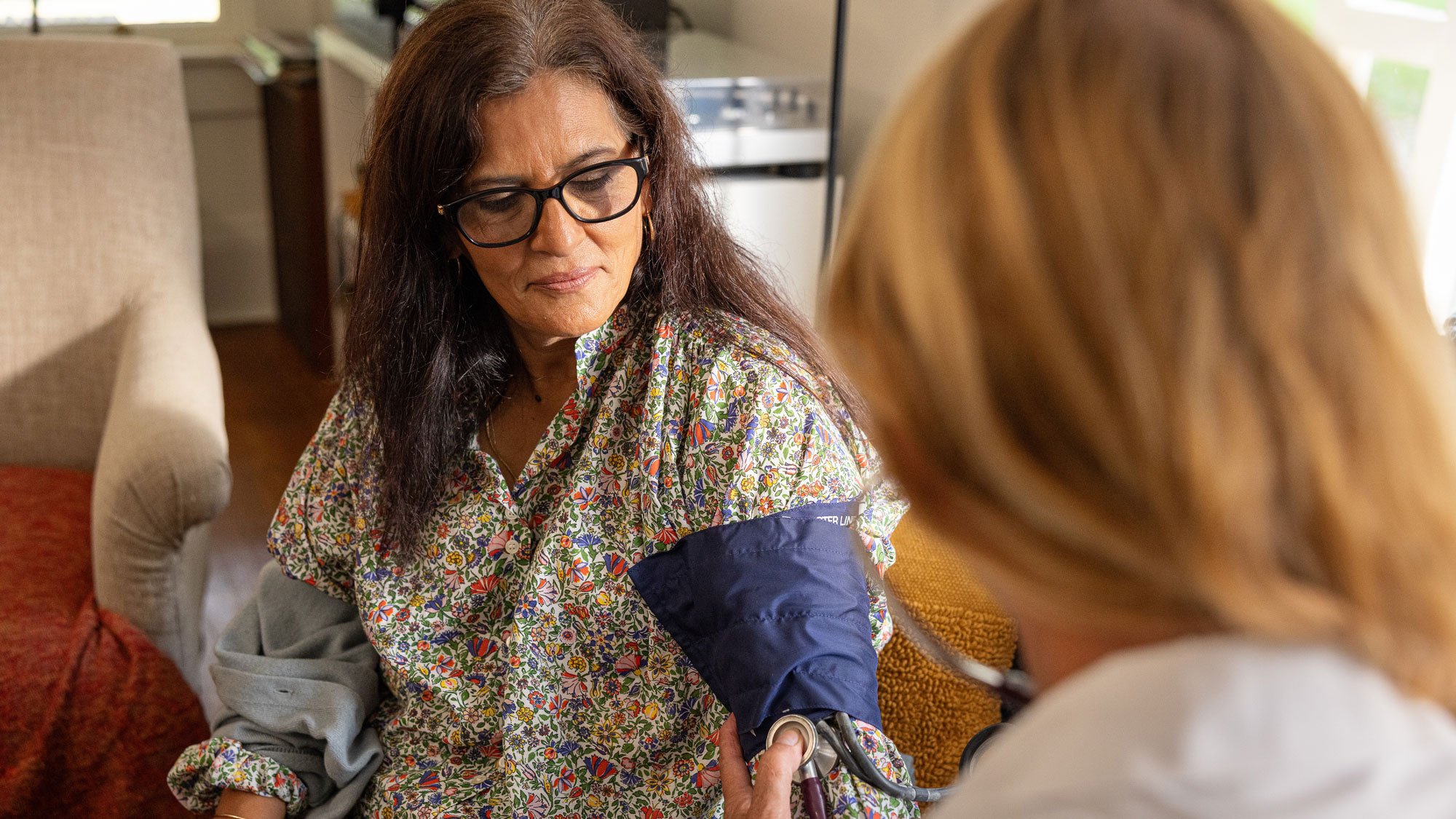
Achieving this future requires meeting people where they are—with trusted clinicians, routine testing, ongoing guidance, and affordable tools that help turn information into action. Prevention is most powerful when no one has to navigate it alone.
American Heart Month reminds us just how deeply heart disease affects our communities—but also how much power we have to change the narrative. When people know their numbers, act earlier, and receive support at every step, prevention becomes the norm, not the exception.
With the right focus on access, awareness and consistent care, we can transform heart health—and in doing so, strengthen the health of the nation.